



Specifications:
|
Material |
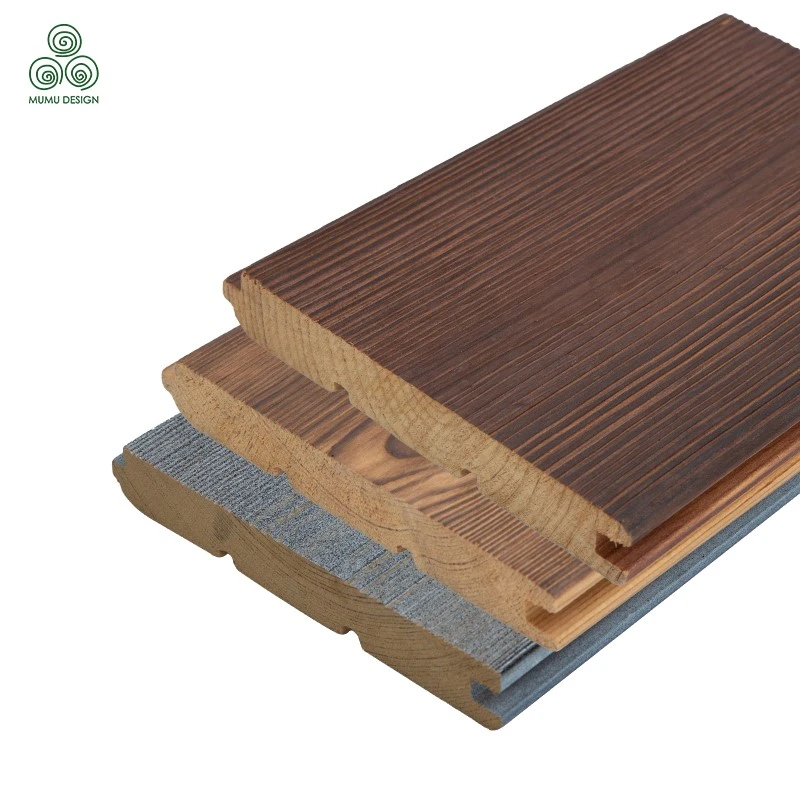
Carbonized Pine Wood |
|
Color |
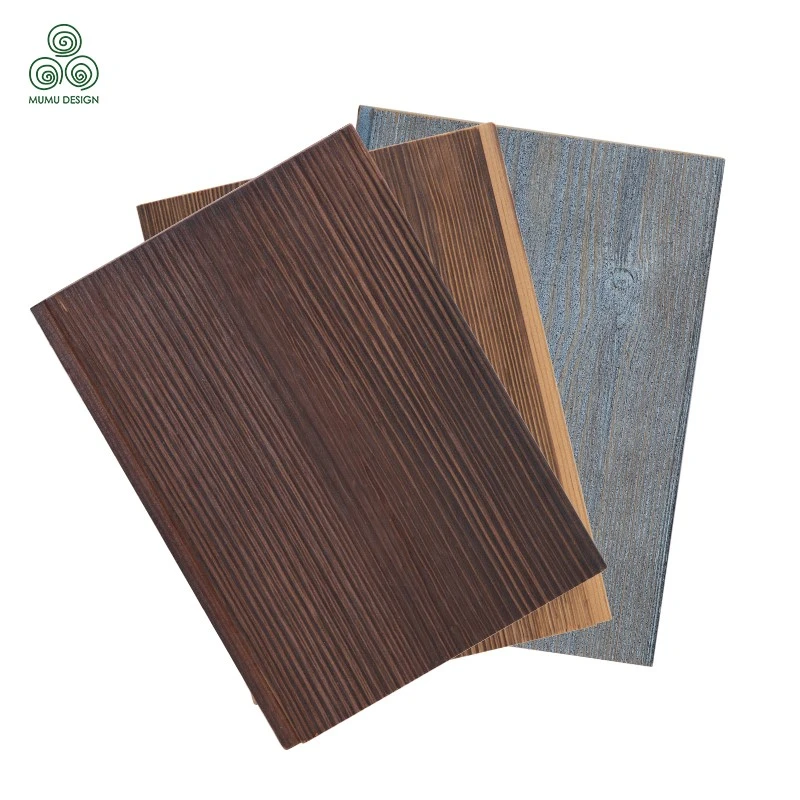
Natural wood color, can stain color |
Description:
A Lighter Approach to Exterior Timber Design
Not every modern facade needs dark colors or dramatic surface textures.
Sometimes, the most memorable buildings are defined by simplicity: clean lines, generous windows, and the natural warmth of timber.
MUMU's Natural Thermally Modified Wood Siding brings this design approach to exterior architecture. The boards feature a light, natural-looking finish, flowing grain patterns, and visible knots that celebrate the individuality of real wood.
When installed vertically, the boards form long, elegant lines that complement contemporary houses and compact architectural structures. Their subtle color variations add visual interest without overwhelming the building's overall design.
For architects seeking a calm, nature-inspired exterior, this thermally modified timber cladding offers an appealing alternative to heavily painted or dark-colored wall materials.
The Character of Natural Wood:
Visible Knots and Authentic Grain Patterns
The appearance of each board is influenced by the natural growth of the tree.
Some sections reveal long, gentle grain lines, while others feature darker knots and irregular patterns. These variations create an authentic timber surface that feels warm and individual.
Rather than attempting to hide natural wood characteristics, the design makes them part of the architectural expression.
Light Timber Tones for Contemporary Spaces
Light-colored exterior wood cladding creates an open, welcoming appearance.
It works particularly well with dark aluminum window frames, simple rooflines, pale stone surfaces, and landscaped gardens.
The contrast between natural-looking timber and darker architectural elements can help define the shape of a building without requiring elaborate decorative details.
Thermal Modification Beneath the Surface
Beyond its appearance, thermally modified timber undergoes controlled high-temperature treatment that changes how wood responds to moisture.
Depending on the treatment process and wood species, this modification can reduce moisture absorption and improve dimensional stability compared with untreated timber.
These characteristics are relevant when selecting materials for exterior siding and other architectural applications.
The final performance of a cladding product also depends on its profile, protective finish, installation system, and exposure conditions.
Where Natural Thermally Modified Wood Siding Works Best:
|
Scandinavian-Inspired Homes |
Light timber, restrained detailing, and generous daylight are common elements of Nordic-inspired architecture.
Natural-looking thermally modified wood siding complements this approach by introducing warmth while maintaining clean exterior lines.
|
|
Modern Garden Studios |
A garden office or backyard studio can become an architectural feature in its own right.
Vertical natural timber cladding helps create a simple, cohesive exterior that sits comfortably among plants, trees, and outdoor landscaping.
|
|
Contemporary Residential Facades |
For modern houses, timber siding can be used across the full elevation or combined with other building materials.
Dark-framed windows, rendered walls, and stone landscaping provide attractive contrasts against the lighter wood surface.
|
|
Cabins and Holiday Retreats |
Natural wood grain creates a connection between indoor living spaces and surrounding landscapes.
For cabins, countryside retreats, and guest houses, thermally modified wood cladding can help establish a warm, understated exterior character.
|
|
Architectural Accent Walls |
Timber does not have to cover an entire building.
Selected entrance areas, recessed exterior walls, covered terraces, and decorative facade sections can introduce natural material contrast within a larger design. |
FAQ:
Q1: What is thermally modified wood siding?
Thermally modified wood siding is exterior timber cladding manufactured from wood that has undergone controlled high-temperature treatment. The process alters the wood's moisture-related behavior and can improve dimensional stability compared with untreated material.
Q2: Can thermally modified timber be used for exterior walls?
Yes, suitably specified thermally modified timber is used for exterior cladding. The wood species, treatment level, installation details, and any required coating should be selected for the intended environment.
Q3: Are the knots in the wood natural?
Yes. Visible knots and grain variation are natural characteristics of timber. Their size, frequency, and appearance depend on the wood species and selected grade.
Q4: Will the natural timber color remain unchanged outdoors?
Not necessarily. Exposure to sunlight and weather can alter the surface color over time. Suitable exterior finishes may help manage these changes, although periodic maintenance may still be necessary.
Q5: Can the boards be installed horizontally instead of vertically?
Horizontal installation may be possible depending on the selected board profile and wall system. Installation direction and fixing details should be confirmed during project planning.
Q6: Can MUMU produce custom cladding dimensions?
MUMU can review customized board dimensions, profiles, and surface finishes based on project specifications and manufacturing requirements.
Request Custom Thermally Modified Wood Cladding
Planning a modern home, garden studio, holiday cabin, or commercial timber facade?
MUMU works with architects, contractors, developers, and building material distributors to supply customized wood products for international projects.
Send us your required dimensions, estimated cladding area, preferred appearance, and delivery destination to discuss suitable options.
Contact MUMU for product samples and a customized wood siding quotation.
Hot Tags: natural thermally modified wood siding for exteriorsnatural thermally modified wood siding for exteriors, China natural thermally modified wood siding for exteriorsnatural thermally modified wood siding for exteriors manufacturers, suppliers, factory, Carbonized Ash, Carbonized Pine, carbonized wood, Thermally Modified Cladding, Thermally Modified Oak, Thermally Modified Poplar